
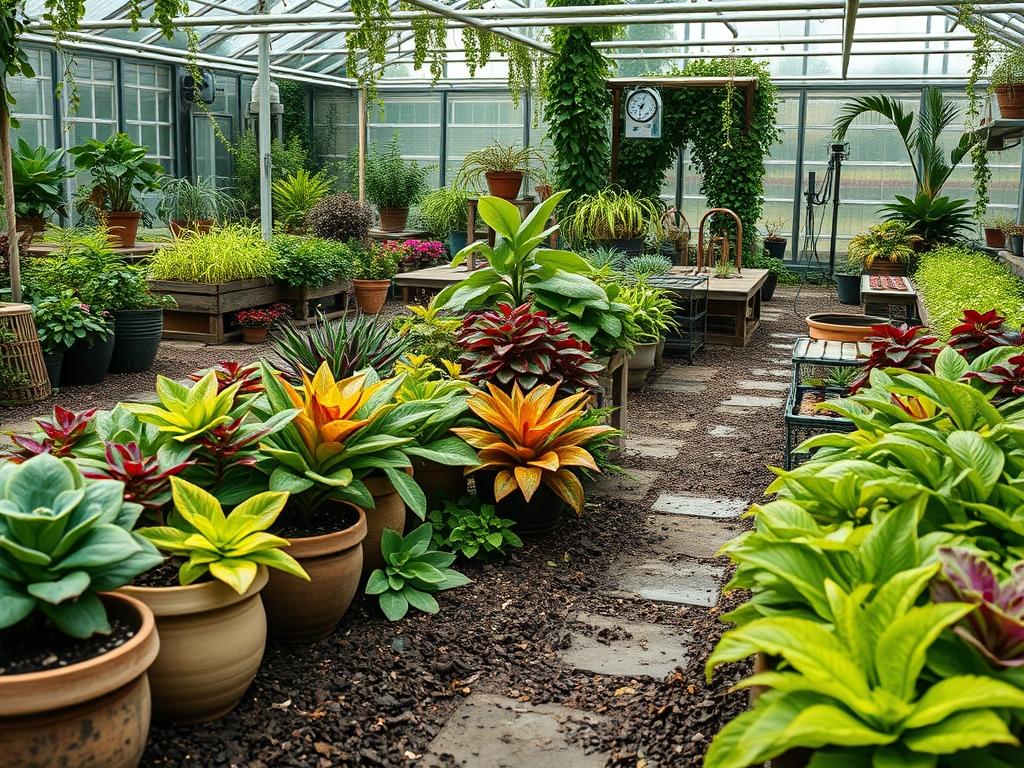
Every landscape architect understands the trap of the seasonal bloom. Homeowners often design their outdoor spaces around a brief four week window of flowering intensity, only to find the remainder of the year dominated by an uninspired sea of static green. Achieving a high performance landscape requires shifting the focus from ephemeral petals to the enduring architecture of leaves. Vibrant Foliage Plants serve as the structural backbone of a professional garden, providing a reliable color palette that persists through heat waves and early frosts. When we design with foliage, we are not just planting; we are painting with living pigments that offer texture, depth, and contrast regardless of the pollination cycle. This approach addresses the core challenges of curb appeal and functional outdoor living, ensuring that the property remains a visual asset even during the dormant months.
Climate considerations play a pivotal role in this selection process. In regions with harsh summers or erratic rainfall, many traditional flowering shrubs struggle to maintain their vigor, leading to a ragged appearance. By integrating species with variegated leaves, deep purples, or metallic silvers, you create a garden that relies on cellular biology rather than reproductive timing for its beauty. This strategy enhances the functionality of the outdoor environment by creating distinct “rooms” or zones defined by color temperature. For example, a cooling palette of blue-green hostas can make a shaded patio feel ten degrees cooler, while the fiery reds of a Japanese maple provide a welcoming warmth to a front entry.
Landscape Design Principles
Professional landscape design begins with the mastery of secondary characteristics like texture and form. Symmetry provides the necessary visual gravity to keep a colorful foliage garden from feeling chaotic. By mirroring Vibrant Foliage Plants on either side of a primary axis, such as a slate walkway or a formal lawn, you create a sense of intentionality. Focal points are equally crucial. A single, large scale specimen with high color contrast, such as a Dazzleberry Sedum or a Sun King Aralia, draws the eye and anchors the surrounding softer textures.
Elevation layers allow for a more immersive experience. We utilize the overstory, understory, and groundcover layers to build a vertical tapestry of color. Large canopy trees provide the ceiling, while mid-sized shrubs create the walls, and low-growing perennials act as the carpet. This layering hides unsightly foundations and provides privacy. Irrigation planning must be integrated into this design framework early on. Grouping plants by water needs, known as hydrozoning, ensures that high hydration plants like Elephant Ears are not placed next to drought tolerant Blue Star Juniper. This precision prevents root rot and optimizes water usage. Finally, walkways should do more than just facilitate movement; they should act as frames. A granite paver path against a border of lime-green Creeping Jenny creates a sharp, clean line that emphasizes the vibrancy of the plant material.
Plant and Material Selection
Selecting the right material requires a balance of aesthetic intent and physiological requirements. The following table outlines several high impact species that provide exceptional color longevity.
| Plant Type | Sun Exposure | Soil Needs | Water Demand | Growth Speed | Maintenance Level |
| :— | :— | :— | :— | :— | :— |
| Heuchera | Part Shade | Rich, loamy | Moderate | Medium | Low |
| Japanese Maple | Full to Part Sun | Well-drained | Consistent | Slow | Moderate |
| Canna Lily | Full Sun | Moist, fertile | High | Fast | Moderate |
| Blue Festuca | Full Sun | Sandy, dry | Low | Medium | Low |
| Physocarpus | Full Sun | Adaptable | Moderate | Fast | Low |
| Coleus | Shade to Sun | Humus-rich | Moderate | Very Fast | High |
| Yucca Color Guard| Full Sun | Gritty, poor | Low | Slow | Very Low |
Implementation Strategy
The successful installation of a foliage centric garden begins with site preparation. Proper grading is the first step; the land must slope away from structures at a minimum of a 2 percent grade to ensure water does not pool near the foundation. Once the grade is established, hardscaping such as retaining walls or stone borders should be installed before any plant material enters the ground. These structures provide the “bones” of the garden.
When laying out the plants, use landscape marking paint to visualize the mature spread of each species. Overcrowding is a frequent error that leads to poor air circulation. Dig holes that are at least twice the width of the root ball to encourage lateral root growth into the native soil. Before backfilling, ensure the crown of the plant sits slightly above the soil line to prevent rot. After planting, apply a 3 inch layer of hardwood mulch to the transition zones to suppress weeds and retain moisture. For professional results, install steel edging or Belgian block to create a crisp transition between the planting beds and the turf. This prevents grass from encroaching on your Vibrant Foliage Plants and makes maintenance much simpler.
Common Landscaping Failures
The most frequent failure in residential landscapes is a lack of proper drainage. Even the most resilient Vibrant Foliage Plants will succumb to root asphyxiation if the soil remains saturated. If you detect heavy clay or stagnant water, installing a French drain or a dry creek bed is essential for plant health. Another common mistake is neglecting soil compaction. During construction, heavy machinery compresses the earth, destroying the pore space needed for oxygen. Always use a broadfork or a tiller to loosen the soil and incorporate organic compost before planting.
Improper spacing is the enemy of longevity. A shrub that looks perfect in a 3 gallon pot can reach a 6 foot diameter within five years. If plants are placed too close together, they compete for nutrients and sunlight, leading to leggy, unattractive growth. Irrigation inefficiencies also plague many gardens. Relying on overhead sprayers for foliage plants can lead to fungal diseases like powdery mildew, especially on species with dense leaves. Using a drip irrigation system delivers water directly to the root zone, keeping the vibrant leaves dry and healthy.
Seasonal Maintenance
Maintaining year round color requires a proactive approach to the calendar. In the spring, the focus is on rejuvenation. This is the time to remove dead wood and apply a balanced slow release fertilizer to support new growth. As the heat of summer arrives, your primary task is moisture management. Checking the soil moisture levels at a depth of 4 inches will tell you if your irrigation timing needs adjustment. Summer is also the peak time for “pinching back” certain foliage plants like Coleus to encourage a bushier habit.
Autumn is the season for assessment and preparation. Clean up fallen debris to prevent pests from overwintering in the mulch. This is also the best time to plant new woody ornamentals, as the cooler temperatures allow roots to establish without the stress of extreme heat. Finally, winter maintenance involves protection and structure. In colder climates, evergreen foliage may need anti-desiccant sprays to prevent windburn. Pruning deciduous trees during their dormancy reveals their architectural form, which becomes the primary visual interest when the ground is covered in snow. Consistent maintenance ensures that your investment in Vibrant Foliage Plants continues to pay dividends year after year.
Professional Landscaping FAQ
What are the best foliage plants for deep shade?
Consider Hostas, Japanese Forest Grass, and Heuchera. These species thrive in low light and offer variegation or bright chartreuse tones that illuminate dark corners. They require consistent moisture and rich, loamy soil for the best color saturation.
How do I prevent my foliage plants from fading in summer?
Sun scald can dull vibrant leaves. Ensure you choose “sun tolerant” varieties of shade plants, such as specific Coleus cultivars. Providing consistent irrigation and a thick layer of organic mulch protects the root system from high heat stress.
Why do my variegated plants turn solid green?
This is often a reversion to the original species form or a reaction to insufficient light. Plants produce more chlorophyll (green) to compensate for low light levels. Ensure your Vibrant Foliage Plants receive the light levels recommended for their specific cultivar.
When is the best time to install hardscaping?
Hardscaping should be completed before any planting begins. Projects involving retaining walls, paver patios, or trenching for irrigation involve heavy equipment and soil movement. Installing these elements first prevents damage to new or delicate plant root systems.
Is drip irrigation better than traditional sprinklers?
Yes, for most landscape beds. Drip systems deliver water directly to the roots, reducing evaporation and keeping water off the leaves. This prevents fungal issues and ensures that the most moisture reaches the plants that need it most.