
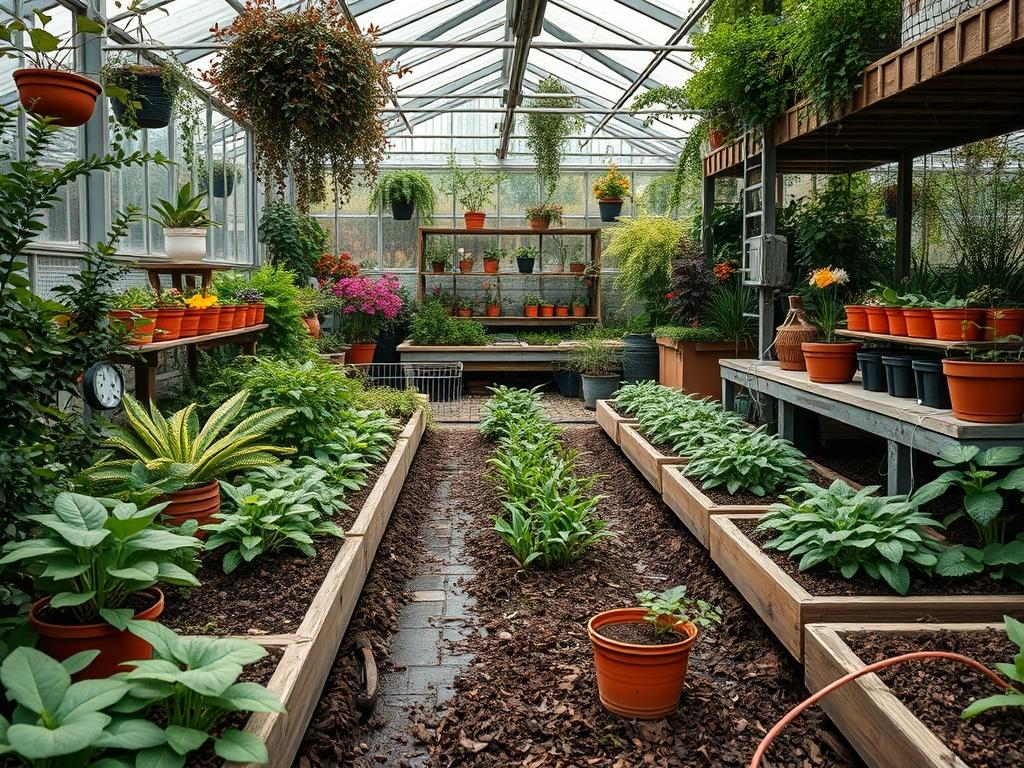
Transforming an outdoor environment from a simple patch of grass into a curated landscape requires more than a green thumb; it demands an understanding of how light, shadow, and hue interact. For most homeowners, the challenge lies in balancing aesthetic beauty with functional longevity. A garden is not a static painting. It is a living, breathing ecosystem that changes with the sun’s arc and the shift of the seasons. Using color theory for gardens allows a designer to manipulate the perceived size of a yard, draw the eye toward specific architectural features, and improve the overall curb appeal of a property. By strategically selecting a palette, you can create a sense of tranquility with cool blues and silvery greens, or you can generate energy using vibrant oranges and deep reds. Climate considerations are also paramount. A color that looks brilliant in the hazy humidity of the Southeast may appear washed out in the harsh, direct sun of the Southwest. Every choice must be intentional, grounded in both the science of horticulture and the art of design.
Landscape Design Principles
Successful landscaping relies on a foundation of structural integrity before the first flower is even planted. Symmetry and visual balance provide the framework for color to shine. In a formal garden, symmetrical plantings of Emerald Green Arborvitae can create a sense of order and permanence. Conversely, asymmetrical balance uses different weights of color and texture to create a more natural, relaxed atmosphere. Focal points are essential for guiding the viewer through the space. A bright white Gardenia bush or a deep burgundy Japanese Maple serves as a visual anchor, preventing the eye from wandering aimlessly across the lawn.
Elevation layers add depth to the landscape. By using retaining walls or raised beds, you can introduce vertical interest and better define different zones of the yard. These structural elements also assist with drainage, preventing water from pooling near the foundation of your home. When planning your layout, consider the “Rule of Three.” Grouping plants in odd numbers, particularly three or five, creates a more organic look than even pairings. Furthermore, walkways should be more than just functional paths; they are the arteries of the garden. Using permeable pavers or crushed slate in shades that complement your home’s exterior will unify the entire environment. Finally, irrigation planning must happen at this stage. A well-placed drip irrigation system ensures that your color palette stays vibrant without the stress of manual watering, especially in high-elevation areas where evaporation rates are higher.
Plant and Material Selection
Selecting the right specimens involves matching the biology of the plant to the specific microclimate of your yard. The following table provides a breakdown of common selections used to execute a professional color strategy.
| Plant Type | Sun Exposure | Soil Needs | Water Demand | Growth Speed | Maintenance Level |
| :— | :— | :— | :— | :— | :— |
| Lavender (Phenomenal) | Full Sun | Well-drained, Sandy | Low (Drought Tolerant) | Moderate | Medium (Pruning required) |
| Hostas (Blue Angel) | Full Shade | Rich, Organic | Medium to High | Fast | Low |
| Boxwood (Winter Gem) | Full Sun to Part Shade | Loamy, Neutral pH | Medium | Slow | High (Shearing) |
| Coneflower (Echinacea) | Full Sun | Average, Well-drained | Low | Fast | Low |
| Hydrangea (Limelight) | Part Sun | Moist, Well-drained | High | Fast | Moderate (Deadheading) |
| Creeping Phlox | Full Sun | Gritty, Alkaline | Medium | Moderate | Low (Groundcover) |
| Japanese Forest Grass | Shade | Moist, Fertile | Medium | Slow | Low |
When choosing materials like mulch, consider the color contrast. Dark hardwood mulch provides a sharp, professional background that makes the greens and yellows of your foliage pop. Alternatively, pine straw offers a softer, more rustic appearance that blends well with native woodland plantings.
Implementation Strategy
Implementing a garden design requires a systematic approach to ensure the long-term health of the plants. Begin with a thorough site analysis, measuring the dimensions of the area and noting the location of existing utilities. Grading is the next critical step. Ensure the ground slopes away from buildings at a rate of at least two inches for every ten feet to facilitate proper drainage. Once the land is shaped, install any hardscaping elements such as stone retaining walls or paver patios. These provide the “bones” of the garden and should be completed before any soil is turned.
After the structure is in place, define your beds with professional-grade steel edging or a deep “V” trench edge. This keep grass from encroaching on your planting zones. Before any plants go into the ground, amend the soil with organic compost to improve nutrient availability and water retention. Use a transplant fertilizer to reduce shock. When placing plants, follow the spacing guidelines strictly. It is tempting to pack plants together for an immediate full look, but this often leads to stunted growth. Once planted, apply a layer of mulch at a depth of two to three inches. Be careful not to pile mulch against the trunks of trees or the crowns of perennials, as this can encourage rot and pest infestation.
Common Landscaping Failures
Many beginners encounter setbacks that can be avoided with foresight. One of the most prevalent issues is improper drainage. If a yard is not graded correctly, water will collect in “bowl” areas, drowning plant roots and creating breeding grounds for mosquitoes. Another frequent error is root overcrowding. When large shrubs like Privet or Lilac are planted too close to a walkway or the house, their roots can eventually heave the pavement or damage the foundation.
Soil compaction is a silent killer in many new developments. Heavy machinery used during construction packs the earth so tightly that roots cannot penetrate and water cannot soak in. Using a trenching tool or an aerator can help break up this compacted layer. Furthermore, irrigation inefficiencies often lead to plant death. Overwatering is just as dangerous as underwatering. A smart irrigation controller paired with rain sensors can prevent the system from running during a storm, saving money and preserving the health of your native plants. Lastly, many people fail to account for the mature size of their selections. A tiny Spruce sapling may look perfect near a window today, but in ten years, it could completely block the light and view.
Seasonal Maintenance
A professional landscape requires year-round attention to maintain its color and vigor. In the spring, focus on cleaning up debris and applying a slow-release fertilizer. This is also the time for pre-emergent weed control to prevent invasive species from taking hold. Prune any winter-damaged branches from your evergreens to encourage new growth.
Summer maintenance is primarily about water management and deadheading. Removing spent blooms from flowers like Salvia or Daylilies encourages a second flush of color. Monitor for pests such as aphids or spider mites, which can quickly discolor foliage. As autumn approaches, begin the process of “putting the garden to bed.” This involves planting spring-flowering bulbs like Tulips or Daffodils and applying a fresh layer of mulch to insulate roots against the coming cold. Winter is the season for structural maintenance. While the plants are dormant, you can clearly see the “skeletal” structure of your trees. This is the best time for heavy structural pruning. Additionally, ensure that your irrigation system is properly winterized by blowing out the lines to prevent pipes from bursting in freezing temperatures.
Professional Landscaping FAQ
How do I choose a color scheme for my front yard?
Start by looking at the color of your home’s siding and roof. Use complementary colors to create contrast. For example, a yellow house looks stunning with violet and blue flowers, while a red brick home pairs well with white and silver foliage.
What is the best way to prevent weeds in large garden beds?
A combination of heavy-duty landscape fabric and a thick layer of wood mulch is effective. For even better results, plant dense groundcovers like Vinca Minor to naturally outcompete weeds for sunlight and nutrients.
How often should I fertilize my lawn and shrubs?
Most landscapes thrive with a three-application schedule. Apply a nitrogen-rich fertilizer in early spring, a balanced formula in mid-summer, and a potassium-heavy “winterizer” in late autumn to strengthen roots against the frost.
Can I use color theory to make a small yard look larger?
Yes. Use cool colors like blue, purple, and light green at the far edges of your property. These colors appear to recede from the viewer, creating an optical illusion of greater distance and making a small space feel expansive.
What are the benefits of using native plants in my design?
Native plants are adapted to your local climate and soil conditions. They typically require less water, fewer chemical pesticides, and provide essential habitats for local pollinators like bees and butterflies, ensuring a more sustainable and low-maintenance landscape.