
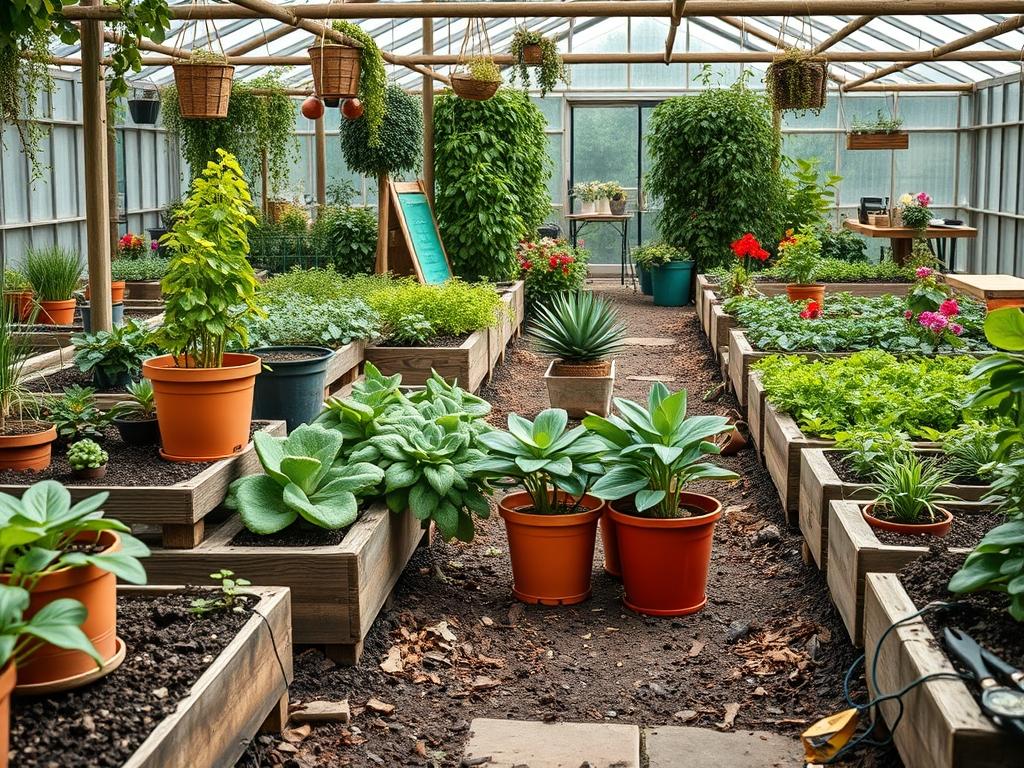
Mastering the interaction between light and pigment determines whether a garden feels cohesive or chaotic. In professional landscape architecture, we rely on the color wheel to manipulate human perception and direct the eye toward specific focal points. High-contrast pairings, specifically complementary colors that sit opposite each other on the wheel, create a vibrant energy that elevates a property’s curb appeal while defining the functionality of outdoor living spaces. Choosing the right palette is not merely an aesthetic exercise; it requires a deep understanding of site-specific microclimates, drainage patterns, and the architectural style of the home. A successful floral display acts as a bridge between the rigid lines of the retaining walls and the organic movement of the surrounding environment. By pairing colors like purple and yellow or blue and orange, a designer can make the greens of the foliage appear more lush and the shadows more defined. This strategic layering ensures that the landscape remains visually engaging under varying light conditions, from the harsh midday sun to the soft hues of the golden hour.
Landscape Design Principles
Before a single hole is dug with a trenching spade, we must establish a structural foundation based on symmetry and balance. The visual weight of a flower bed depends on its elevation layers and the repetition of form. We typically design in three distinct tiers: the foreground, the mid-ground, and the background. The foreground consists of low-growing groundcovers that soften the edges of concrete walkways or paver patios. The mid-ground is where the primary complementary color pairs reside, often utilizing perennials that offer consistent bloom cycles. The background provides the “bones” of the garden, featuring evergreen shrubs or small trees that maintain structure during the dormant winter months.
Visual balance is achieved through the architectural concept of focal points. A singular, bold specimen plant or a high-quality stone plinth can serve as an anchor for the eye. When we introduce complementary colors near these anchors, the contrast intensifies the effect. For instance, a cluster of yellow Black-eyed Susans against a backdrop of deep purple Salvia creates a rhythmic vibration that demands attention. However, this vibrancy must be tempered with negative space. Open areas of turfgrass or uniform river rock provide the eye with a place to rest, preventing the high-contrast floral displays from becoming visually exhausting.
Irrigation planning is equally critical to the design principle of “hydro-zoning.” We group plants not only by their color compatibility but by their metabolic needs. Placing a water-hungry species next to a drought-tolerant succulent is a recipe for maintenance failure. By aligning the drip irrigation schedule with the specific demands of each color-coordinated zone, we ensure the longevity of the installation. Proper grading also plays a role here; ensuring that water moves away from the foundation of the house while saturating the root zones of the floral displays is a fundamental requirement of professional site planning.
Plant and Material Selection
The following table outlines high-performance species that exemplify complementary color theory while meeting various site requirements.
| Plant Type | Sun Exposure | Soil Needs | Water Demand | Growth Speed | Maintenance Level |
| :— | :— | :— | :— | :— | :— |
| Lavender (Purple) | Full Sun | Well-drained | Low | Moderate | Medium |
| Coreopsis (Yellow) | Full Sun | Sandy/Loam | Low | Fast | Low |
| Russian Sage (Blue) | Full Sun | Poor/Dry | Low | Fast | Low |
| California Poppy (Orange) | Full Sun | Gritty | Low | Fast | Low |
| Heuchera (Red foliage) | Shade/Part Sun | Humus-rich | Medium | Moderate | Low |
| Hosta (Green/Chartreuse) | Shade | Moist/Loam | Medium | Moderate | Medium |
| Amsonia (Blue) | Full/Part Sun | Versatile | Medium | Moderate | Low |
| Threadleaf Coreopsis (Yellow) | Full Sun | Well-drained | Low | Fast | Low |
Implementation Strategy
Ground preparation is the most overlooked phase of professional landscaping. We begin by assessing the soil pH and texture. If the site contains heavy clay, we incorporate organic compost and gypsum to improve porosity. Proper grading is then executed to ensure a 2 percent slope away from all structures. This prevents pooling and protects the subgrade of any nearby hardscaping elements. Once the levels are set, we layout the garden using marking paint to delineate the edges of the beds.
The installation of steel edging or Belgian block provides a clean termination point between the planting bed and the lawn. This prevents the encroachment of aggressive turfgrass roots into the floral display. When placing the plants, we follow the “thriller, filler, spiller” methodology but adapt it for large-scale landscapes. We start with the largest specimens, ensuring the root ball is set at an elevation slightly above the surrounding soil to allow for settling. After the primary plants are in place, we install the irrigation emitters and a weed barrier of high-quality landscape fabric if necessary, though we often prefer a thick layer of organic mulch.
Finalizing the display requires a 3-inch layer of shredded hardwood mulch or pine bark nuggets. This mulch serves three purposes: it suppresses weed germination, retains soil moisture, and provides a uniform dark background that makes the complementary colors of the flowers pop. We avoid “mulch volcanoes” around the trunks of trees, as this can lead to bark decay and pest infestation. Instead, we taper the mulch as it approaches the base of each plant.
Common Landscaping Failures
One of the most frequent mistakes in professional gardening is root overcrowding. Designers often ignore the “mature spread” listed on plant tags, placing specimens too close together to achieve an “instant” full look. This leads to poor air circulation, which invites powdery mildew and other fungal pathogens. Overcrowding also forces plants to compete for limited nutrients and water, eventually leading to the decline of the less aggressive species.
Improper drainage remains a leading cause of plant mortality. When French drains or catch basins are not integrated into the initial site plan, water can stagnate in the root zone. This causes anaerobic conditions that lead to root rot. Similarly, soil compaction from heavy machinery during the construction phase can destroy the soil structure. Without a healthy network of macropores, roots cannot access the oxygen they need to survive. We utilize mechanical aerators or tilling to remediate compacted areas before any planting occurs.
Irrigation inefficiencies also plague many landscapes. Over-watering is just as damaging as under-watering. If a system is not calibrated for the specific delivery rate of the rotary nozzles or drip lines, the garden will suffer. We recommend the use of smart irrigation controllers that adjust schedules based on real-time weather data to prevent waste and ensure the health of the complementary floral displays.
Seasonal Maintenance
The lifespan of a high-contrast garden depends on a rigorous maintenance schedule tailored to the changing seasons. In the spring, the focus is on deadheading spent blooms and applying a balanced slow-release fertilizer. This is also the time to inspect the irrigation system for leaks or clogged emitters caused by winter debris. We perform a “spring clean-out” by removing dead perennial foliage and refreshing the mulch layers to a consistent 2-inch depth.
Summer maintenance revolves around moisture management and pest monitoring. During periods of extreme heat, we may adjust the irrigation clock to provide an extra cycle in the early morning hours. We also look for signs of nutrient deficiencies, such as chlorosis, which can be corrected with supplemental liquid seaweed or iron chelate.
Autumn is the season for structural adjustments. This is the ideal time for pruning deciduous shrubs and dividing overcrowded perennials like Daylilies or Hostas. We also plant spring-flowering bulbs such as Tulips and Daffodils during this window; choosing varieties that will complement the existing perennial palette.
Winter management is about protection. In colder climates, we apply a layer of evergreen boughs or straw to insulate the crowns of sensitive plants. We also prune any damaged or diseased wood from trees while they are dormant, using sterilized bypass pruners. This proactive approach ensures that when the temperatures rise, the landscape is prepared to explode into a vibrant display of perfectly paired colors.
Professional Landscaping FAQ
What are the most popular complementary color pairs?
The most striking combinations include purple and yellow, blue and orange, and red and green. These pairings create high visual tension, making each color appear more saturated and vibrant when planted in close proximity within a well-structured garden bed.
How do I prevent my flower beds from looking messy?
Maintain clean lines using steel edging or stone borders. Group plants in odd-numbered clusters rather than random scatterings. Regularly use pruning shears to maintain the intended shape and prevent aggressive species from encroaching on their neighbors’ designated space.
Which mulch is best for floral displays?
Triple-shredded hardwood mulch is generally the best choice. It stays in place on slopes, breaks down into nutrient-rich organic matter, and provides a dark, uniform texture that highlights the bright tones of the flowers while suppressing competitive weed growth.
Why are my plants dying despite regular watering?
This is often caused by poor drainage or soil compaction. If the soil remains saturated, roots suffocate from a lack of oxygen. Use a soil probe to check moisture levels at the root zone before increasing the frequency of your irrigation schedule.
When is the best time to plant perennials?
Early autumn is the ideal window for most regions. The soil is still warm, which encourages rapid root development, while the cooler air temperatures reduce stress on the foliage. This allows the plants to establish a robust system before the winter freeze.