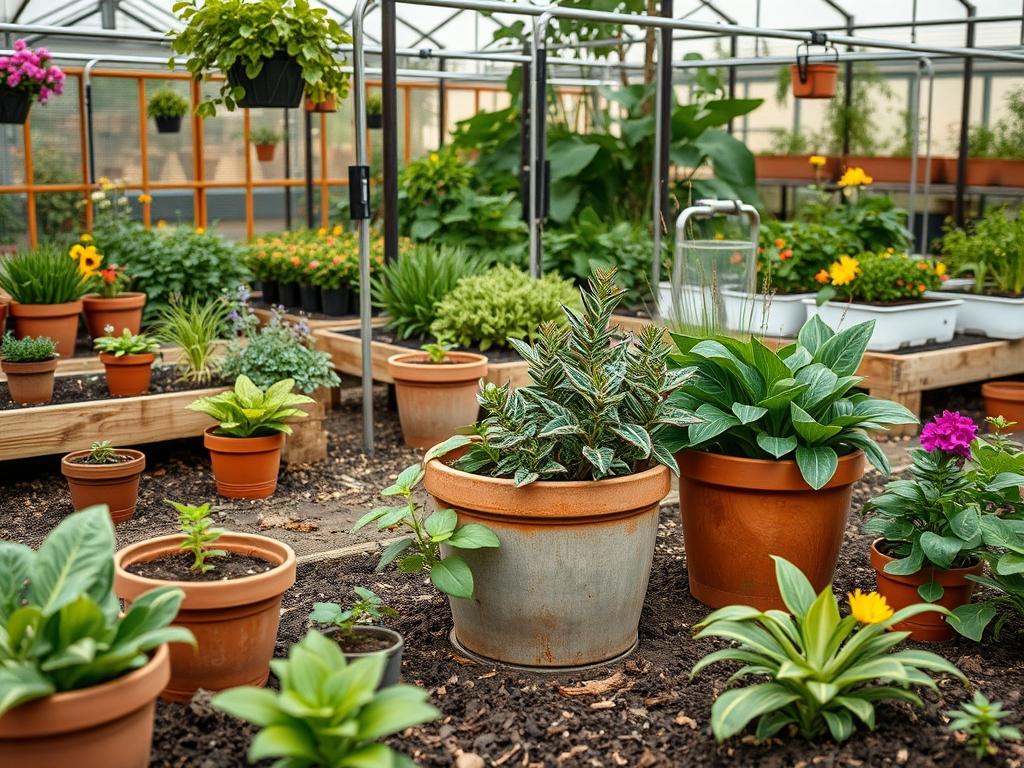
Maximizing the visual impact of a restricted outdoor environment requires a departure from traditional horizontal gardening. In the world of landscape architecture, small footprints demand high-density design and structural intentionality. Bold container combinations act as the architectural anchors of balconies, narrow side yards, and urban courtyards, transforming these confined areas into immersive living environments. By focusing on high-contrast textures, varied elevations, and strategic plant groupings, a consultant can create a sense of expansive luxury where space is theoretically lacking. The success of these installations hinges on an understanding of microclimates, where human-made surfaces like stone and glass reflect heat, requiring a sophisticated approach to species selection and moisture management. Properly executed container designs do not merely occupy space; they define it, enhancing curb appeal and creating functional zones for relaxation or entertainment.
Landscape Design Principles
Professional landscape design in small spaces relies heavily on the principle of visual weight. When selecting containers, one must consider the ratio between the vessel and the specimen. A large, glazed ceramic pot can serve as a focal point, drawing the eye away from architectural flaws or property boundaries. Symmetry offers a formal, disciplined feel, often achieved by flanking a doorway with identical Topiary Boxwoods or Spiral Junipers. Conversely, asymmetrical groupings in odd numbers, such as three or five, create a more organic and relaxed flow.
Elevation layers are critical for preventing a flat, uninspired look. By using pedestals, stair-tiered plant stands, or variable pot heights, an architect can simulate the layered effect of a natural forest floor and canopy. This verticality is essential in small gardens where ground space is a premium. Furthermore, the integration of containers with existing walkways and retaining walls creates a cohesive transition between hardscaping and softscaping. Designers must also account for sightlines, ensuring that taller elements do not obstruct views but rather frame them. The use of the “Golden Ratio” allows for a balanced distribution of mass, where the height of the plant material is ideally one and a half to two times the height of the container.
A successful design also incorporates subtle irrigation planning. In professional settings, discreet 1/4-inch drip lines are often snaked through the drainage holes of pots, connected to an automated timer. This ensures that the high-stress environment of a container, which lacks the thermal mass of the earth, remains consistently hydrated. By coordinating the color palette of the foliage with the surrounding materials, such as pairing silver foliage with grey slate or copper-toned leaves with cedar wood, a designer reinforces the intentionality of the outdoor living space.
Plant and Material Selection
The following table provides a selection of high-impact plant species specifically suited for bold container combinations. These selections focus on architectural form, resilience, and visual contrast.
| Plant Type | Sun Exposure | Soil Needs | Water Demand | Growth Speed | Maintenance Level |
| :— | :— | :— | :— | :— | :— |
| Phormium ‘Amazing Red’ | Full Sun | Well-Drained Loam | Low to Moderate | Moderate | Low |
| Colocasia ‘Black Magic’ | Part Shade | Rich, Humus-Heavy | High | Fast | Medium |
| Hakonechloa macra | Shade | Consistently Moist | Moderate | Slow | Low |
| Euphorbia ‘Diamond Frost’ | Full Sun to Part Shade | Light, Porous | Low | Fast | Low |
| Heuchera ‘Forever Purple’ | Part Shade to Shade | Well-Drained Organic | Moderate | Slow | Medium |
| Canna Lily ‘Bengal Tiger’ | Full Sun | Rich, Moist | High | Fast | Medium |
| Dichondra ‘Silver Falls’ | Full Sun | Fast-Draining | Moderate | Fast | Low |
Implementation Strategy
Implementing a professional-grade container garden starts with site preparation and structural assessment. One must evaluate the weight-bearing capacity of decks and balconies, especially when using heavy materials like corten steel or cast stone. Once the site is cleared, the process of grading or leveling the area for the pots begins. If the containers are to be placed on soil, a base of crushed gravel or a paver stone prevents the pot from sinking or clogging the drainage hole.
The actual potting process deviates from common hobbyist methods. Professional architects avoid the use of “filler” at the bottom of the pot, such as packing peanuts or large rocks. These materials create a perched water table, which keeps the root zone excessively saturated and leads to rot. Instead, use a high-quality, soilless potting mix containing perlite, vermiculite, and peat moss or coconut coir. For bold combinations, use a slow-release granular fertilizer mixed into the top 3 inches of soil at the time of planting.
When arranging the plants, follow an advanced version of the “Thriller, Filler, Spiller” logic. The Thriller, such as a Yucca or a tall Ornamental Grass, provides the vertical spine. The Filler, like Coleus or Lantana, adds mounding mass and color contrast. The Spiller, such as Sweet Potato Vine or Creeping Jenny, softens the hard edges of the container. Ensure that the root ball of each plant is teased slightly to encourage outward growth into the new medium. Finish the installation with a 2-inch layer of decorative mulch, river pebbles, or pine bark to conserve moisture and provide a polished finish.
Common Landscaping Failures
The most frequent failure in container gardening is improper drainage. Even with a drainage hole, pots can become waterlogged if the hole is flush against a non-porous surface. Utilizing pot feet or risers is a professional standard to allow air circulation and water egress. Another common error is soil compaction. Over time, standard garden soil used in pots will collapse, squeezing out the oxygen necessary for root respiration. Professionals always specify lightweight, professional-grade media to avoid this issue.
Root overcrowding is a silent killer in small-space design. While high-density planting looks lush immediately, it can lead to stunted growth and nutrient competition within a few months. Designers must account for the mature size of each species and provide adequate spacing or plan for mid-season thinning. Additionally, irrigation inefficiencies often result from “hydrophobic” soil, where the medium has dried out so significantly that it repels water. When this occurs, water simply runs down the inside edges of the pot without reaching the center. Finally, a lack of consideration for “reflected heat” from glass windows or white walls can scorch sensitive plants like Hostas or Ferns, even if they are placed in a theoretically shaded area.
Seasonal Maintenance
Seasonal management is the key to longevity in any landscape plan. In the spring, the focus is on rejuvenation. This involves removing the top 4 inches of old soil and replacing it with fresh, nutrient-rich media. It is also the time to inspect and flush out drip irrigation emitters to ensure they are not clogged with mineral deposits or debris. Pruning should be focused on removing any winter die-back from perennial specimens like Sedum or Liriope.
During the summer, the primary task is moisture management and deadheading. High temperatures in confined spaces increase the rate of evapotranspiration. Check containers twice daily during heat waves. Applying a liquid seaweed extract every two weeks can help plants cope with heat stress. In autumn, the transition involves replacing spent summer annuals with cold-hardy varieties like Ornamental Cabbage or Pansies. This is also the time to reduce fertilization as the plants enter a slower growth phase.
Winter maintenance in small spaces involves protecting the root systems of permanent plantings. In colder climates, containers can be wrapped in burlap or moved to more sheltered microclimates near the home foundation. Ceramic and terra cotta pots that are not “frost-proof” should be emptied or moved indoors to prevent cracking from freeze-thaw cycles. For evergreen containers, a light application of anti-desiccant spray can prevent foliage from drying out in harsh winter winds.
Professional Landscaping FAQ
How do I choose the right pot size for a small balcony?
Select the largest container the space can comfortably accommodate. Larger soil volumes hold moisture longer and provide better insulation for roots. A single 24-inch pot often looks more professional and is easier to maintain than five 6-inch pots.
What is the best way to ensure drainage on a rooftop?
Always use deck risers or pot feet to lift the container off the surface. This prevents water from trapping under the pot, which can damage the roofing membrane and cause aesthetic staining. Ensure the potting medium is highly porous.
Can I mix plants with different water needs in one pot?
This is a high-risk strategy that usually leads to failure. Group plants by “hydro-zones” within each container. For example, pair succulents like Echeveria with other drought-tolerant species like Sedum to ensure consistent health across the entire arrangement.
How often should I replace the potting soil in my containers?
For permanent perennial displays, refresh the top third of the soil annually. For seasonal annual displays, it is best to replace the medium entirely every two years to prevent the buildup of pathogens and depleted soil structure.
What are the best “bold” color combinations for shade?
Focus on chartreuse and deep purple for high visual impact in low light. Pairing Japanese Forest Grass with dark-leaved Heuchera creates a luminescent effect that brightens dark corners without the need for high-maintenance flowering plants.