
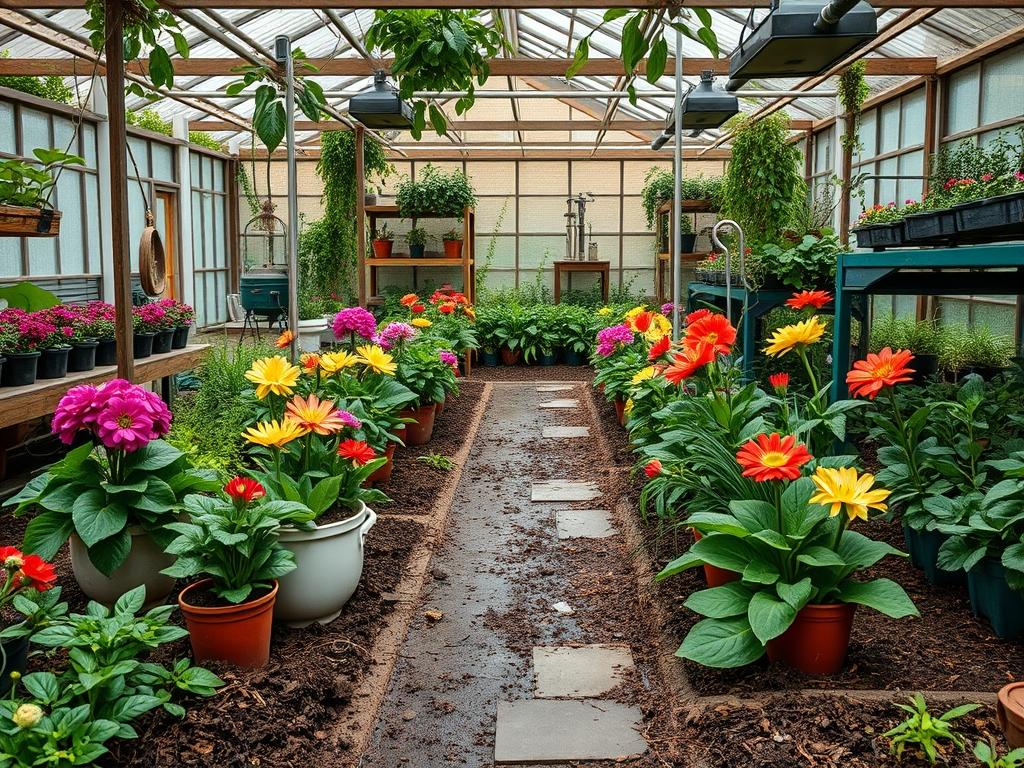
Designing a landscape that captures the eye requires more than just a variety of species; it demands a strategic use of color saturation and luminosity to guide the viewer’s gaze. Many homeowners struggle with borders that appear washed out under the mid afternoon sun or disappear into the shadows as evening approaches. The solution lies in integrating neon flower varieties that possess a high level of pigment intensity. These plants do not merely reflect light; they seem to vibrate against the backdrop of traditional green foliage. Achieving this effect requires a professional understanding of plant physiology, soil chemistry, and spatial arrangement. We must consider the local climate, particularly the Hardiness Zone, to ensure these high impact colors persist through the season. Integrating these vibrant hues can significantly increase curb appeal, turning a standard walkway into a high end architectural feature. By balancing these “electric” selections with structural elements like retaining walls and natural stone, we create an outdoor living space that feels both energized and professionally curated.
Landscape Design Principles
Effective landscape design relies on a structured hierarchy of visual information. When working with neon flower varieties, the primary challenge is preventing visual fatigue. If every plant in the border is a screaming shade of magenta or lime, the eye has nowhere to rest. Professional architects utilize symmetry and focal points to anchor the space. For example, placing a high intensity Salvia at the corner of a flagstone path creates a natural waypoint. We also emphasize elevation layers. A well designed border should follow a three tier system: the foreground, the mid ground, and the background. Low creeping varieties inhabit the front tier, while mid sized shrubs and tall perennials provide the verticality needed to fill the field of vision.
Symmetry does not always mean a mirror image, but it does require a balance of visual weight. If you install a massive cluster of Electric Purple Petunias on the left side of a driveway, you must balance it on the right with a material of similar visual density, even if it is a different species or a hardscape element like a granite boulder. Furthermore, irrigation planning is critical when mixing neon annuals with perennials. Many high color varieties have specialized metabolic rates and require consistent moisture levels to maintain their brightness. Walkways should be planned to allow for maintenance access without compacting the root zones of these sensitive plants. Proper grading ensures that water moves away from the foundation of the home while still hydrating the deep root systems of the border display.
Plant and Material Selection
| Plant Type | Sun Exposure | Soil Needs | Water Demand | Growth Speed | Maintenance Level |
| :— | :— | :— | :— | :— | :— |
| Sedum ‘Neon’ | Full Sun | Well-Drained | Low | Moderate | Low |
| Salvia ‘Electric Blue’ | Full Sun | Loamy/Rich | Medium | Fast | Medium |
| Celosia ‘Dragon’s Breath’ | Full Sun | Organic Matter | High | Fast | Low |
| Heuchera ‘Electric Lime’ | Partial Shade | Humus Rich | Medium | Moderate | Low |
| Zinnia ‘Uproar Rose’ | Full Sun | Neutral pH | Medium | Very Fast | Medium |
| Petunia ‘Electric Purple’ | Full Sun | High Fertility | High | Fast | High |
Implementation Strategy
The transition from a design concept to a physical garden requires a meticulous implementation phase. Begin with site preparation by clearing all existing vegetation and debris. Grading is the next priority; ensure the soil slopes away from structures at a minimum of a 2 percent grade to prevent pooling. Once the terrain is shaped, define the borders using a mechanical edger or a sharpshooter spade. A clean, deep edge of approximately 4 inches prevents turf grass from encroaching on the floral beds and provides a professional, crisp finish.
Before the first plant goes into the ground, install any necessary hardscaping, such as retaining walls or stepping stones. Incorporating perforated PVC piping buried in a gravel trench can provide essential drainage for neon varieties that are susceptible to root rot. After the structural elements are set, amend the soil with organic compost and a slow release fertilizer high in phosphorus to encourage vibrant blooming. Space your plants according to their mature width, typically 12 to 18 inches apart for mid sized perennials. Once the planting is complete, apply a layer of hardwood mulch at a depth of 3 inches. This mulch serves three purposes: it suppresses weeds, retains necessary moisture, and provides a dark, neutral contrast that makes the neon colors of the flowers pop. Finally, install a drip irrigation system with emitters placed at the base of each high value plant to ensure water reaches the roots without wetting the foliage, which can cause fungal spotting.
Common Landscaping Failures
One of the most frequent mistakes in high color gardening is root overcrowding. It is tempting to plant items closely together to achieve an instant “full” look, but this leads to competition for nutrients and poor air circulation. Within a year, the plants will become stunted and the neon intensity will fade as the specimens stress. Another common failure is improper grading leading to soil compaction. If the soil is too tight, oxygen cannot reach the roots, and the vibrant metabolic processes required for “electric” pigments will shut down.
Irrigation inefficiencies are also a major hurdle. Many novices use overhead sprinklers, which can cause heavy flower heads to droop and encourage diseases like powdery mildew. Professional setups favor soaker hoses or subsurface emitters. Additionally, neglecting the soil pH can be disastrous. For example, certain neon varieties require a slightly acidic environment to uptake the minerals that produce their specific hues. If the soil is too alkaline, a brilliant purple can quickly turn into a dull, muddy grey. Lastly, failing to account for the sun’s trajectory throughout the day can lead to leaf scorch. A plant labeled for “Full Sun” in a northern climate might require “Partial Shade” in a southern heat zone to prevent its neon petals from bleaching.
Seasonal Maintenance
A professional landscape is not a static installation; it is a living system that requires seasonal adjustments. In the spring, the focus is on preparation. Remove any winter mulch that has become matted and apply a fresh layer of shredded bark. This is also the time to apply a pre-emergent herbicide to prevent weed seeds from germinating. As the weather warms, monitor the irrigation controllers to increase water frequency.
During the summer, deadheading is essential for neon varieties like Zinnias and Salvia. Removing spent blooms redirects the plant’s energy from seed production back into flower production, ensuring the “electric” effect lasts until frost. In autumn, as the growth rate slows, reduce supplemental watering and begin the cleanup of annual varieties. Perennials should be cut back according to their specific species requirements, usually to within 6 inches of the ground. For winter management, protect the root crowns of more sensitive neon perennials with a thicker layer of straw or pine needles. Check any retaining walls for heaving caused by freeze thaw cycles and ensure that drainage outlets remain clear of fallen leaves and debris.
Professional Landscaping FAQ
What is the best way to keep neon colors from fading in high heat?
Ensure consistent hydration using a drip irrigation system and apply 3 inches of mulch to cool the root zone. High phosphorus fertilizers also help maintain pigment density throughout the peak of the summer heat.
How do I choose between neon annuals and perennials?
Annuals like Celosia offer immediate, high intensity color for a single season. Perennials like Sedum ‘Neon’ provide a reliable architectural return every year. A professional design typically integrates both to balance longevity with seasonal impact.
Can neon plants grow in heavy clay soil?
Heavy clay restricts drainage and oxygen. To succeed, you must amend the area with expanded shale or organic compost to improve porosity. Alternatively, install raised beds or retaining walls to control the soil quality.
Does the color of mulch affect how neon flowers look?
Yes. Darker mulches, such as black dyed hardwood, provide a high contrast background that makes neon hues appear more luminous. Lighter mulches like pine straw can wash out the visual impact of bright flowers.
How often should I fertilize these high impact varieties?
Most neon bloomers benefit from a slow release granular fertilizer in early spring. Follow up with a water soluble bloom booster every four weeks during the peak growing season to support the high energy demands of vibrant flowering.